
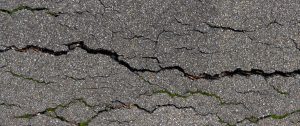
Your driveway deals with a lot of wear and tear over the years. Between daily vehicle traffic, changing temperatures, and exposure to rain and snow, even a well-maintained asphalt driveway will eventually show signs of deterioration. Nevertheless, when cracks, potholes, or uneven surfaces start appearing, does that mean you need an entirely new driveway?
The good news is that not every damaged driveway needs to be replaced. Depending on its condition, asphalt driveway repairs may be enough to restore its appearance and functionality. Here’s how to determine which option makes the most sense for your home.
When Asphalt Driveway Repairs Are Right
If your driveway is generally in good condition with only a few problem areas, repairs may be the most practical and affordable solution. Repairs may be the way to go if you have:
- Small cracks: Minor surface cracks can often be filled or sealed to help prevent water from penetrating the asphalt.
- Isolated potholes: A few potholes can typically be addressed through asphalt patching without replacing the entire driveway.
- Minor surface deterioration: Fading or light surface wear may be addressed with sealcoating if the pavement is structurally sound.
- Localized damage: If most of your driveway remains in good condition, replacing individual damaged sections may be sufficient. Professional asphalt patching and sealcoating can help address certain types of damage and extend the usefulness of your existing driveway.
However, it’s important to address minor problems before they become more serious. Water entering cracks can weaken the underlying materials and contribute to additional deterioration.
When it May be Time to Replace Your Asphalt Driveway
While repairs can be effective, there comes a point when replacing your driveway makes more sense. One major warning sign is widespread cracking, particularly interconnected cracks resembling an alligator’s skin. This type of damage can indicate problems with the pavement’s structural support rather than simple surface wear. In addition, it may be time to replace your asphalt driveway if you have:
- Multiple large potholes: Extensive damage throughout the driveway may make individual repairs impractical.
- Uneven or sinking sections: Significant depressions can indicate problems with the underlying base.
- Recurring drainage issues: Water that regularly collects on your driveway may contribute to pavement deterioration.
- Repeated repairs: If you’re constantly fixing new problems, replacement may be more economical over time.
The age of your driveway also matters. Older asphalt that’s experiencing widespread deterioration may not respond as well to continued repairs.
Repairs generally cost less upfront, especially when damage is limited. However, repeatedly patching a severely deteriorated driveway can become expensive. Replacement requires a larger initial investment but allows damaged pavement to be removed and underlying issues to be addressed.
There’s also a middle-ground option. If your driveway has a stable foundation but an aging surface, an asphalt overlay may be appropriate. This involves installing a new layer of asphalt over the existing pavement.
Crew Cut Enterprises LLC, offers asphalt paving services, including patching, overlays, sealcoating, and driveway replacement for homeowners in Annapolis and surrounding Maryland communities. To learn more about our asphalt driveway services, contact us.
Leave a Reply